
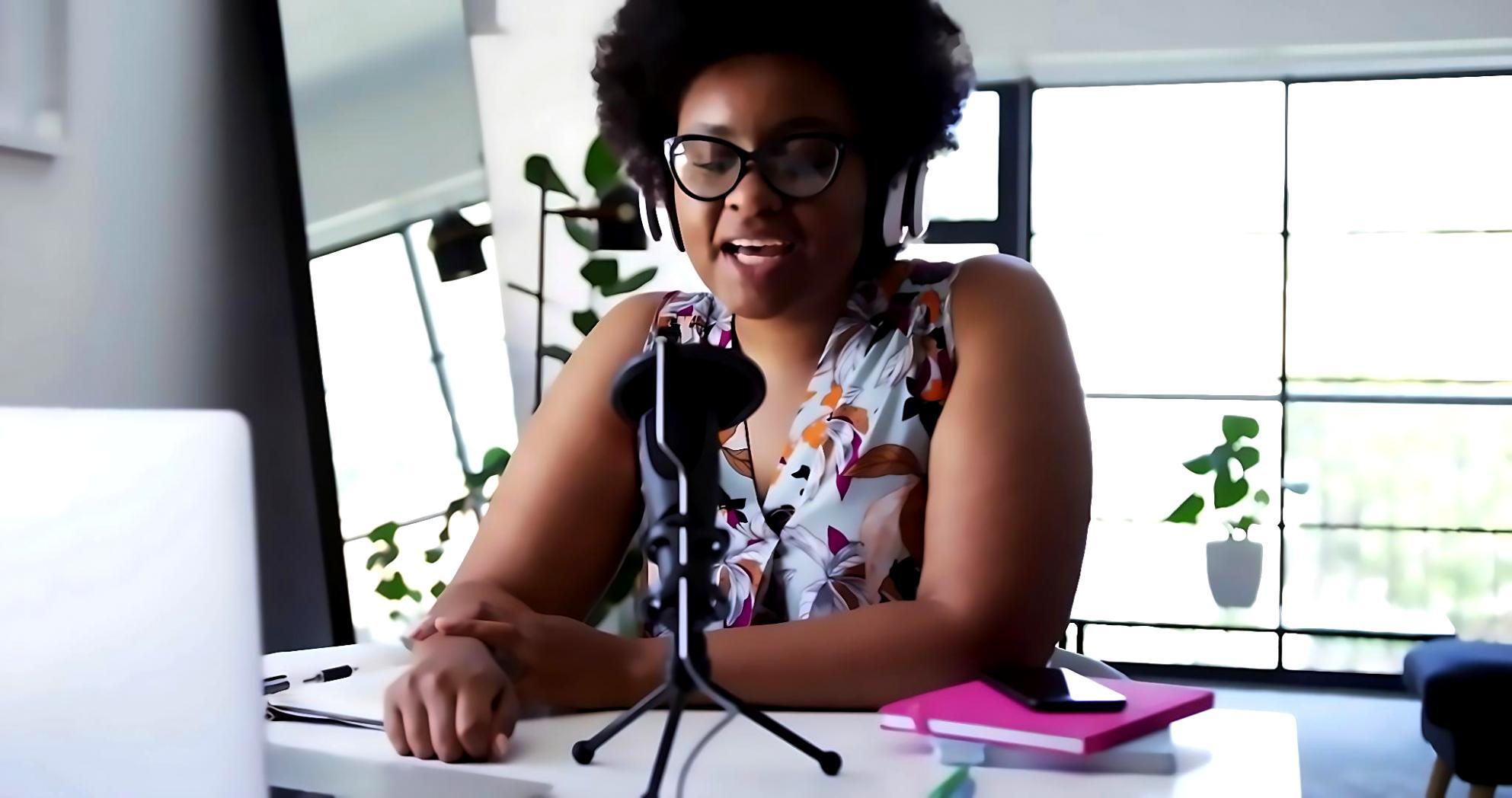
Science journalist reviewing research materials at a broadcast desk
Science Journalism Treatsugarmodel TV Presenting

Stories from the field of science media

A look at how science journalists, broadcasters, and educators are changing the way research reaches the public - one story, one screen, one classroom at a time.

See the learning programme →

Current topics

What science communicators are talking about

From the pressures of real-time reporting to the growing demand for on-camera science experts, these are the conversations shaping the discipline right now.

Broadcast journalist preparing for a live science segment in a studio

On-camera credibility is now as important as source credibility in science broadcasting.

1
Broadcast skills

Why science reporters are seeking TV presenter training

Researchers and journalists with deep subject knowledge often find that communicating clearly on camera requires a separate set of skills. A television presenter course bridges that gap - teaching delivery, pacing, and how to hold an audience's attention without oversimplifying the science.

2
Accuracy under pressure

The speed problem: when breaking science meets daily deadlines

A preprint goes viral before peer review is complete. A journalist has four hours to file. This tension between speed and accuracy is not new, but it has intensified as social platforms amplify early-stage findings to millions of people who may not know what a preprint is.

3
Audience trust

What readers actually want from science coverage

Surveys across multiple regions consistently show that audiences want context more than conclusions. They want to understand the method, not just the result - and they are increasingly able to detect when a story has been oversimplified to fit a headline.


In depth

Practical skills that change how science gets told

Treatsugarmodel's workshops have been running since 2019 with one consistent observation: the journalists who improve fastest are those who treat presenting as a craft to practise, not a talent to have. The skills below come up repeatedly in participant feedback as the ones that made the most visible difference.

Fatima Osei, science journalist and workshop participant

Fatima Osei

Science journalist, West Africa

"The television presenter course changed the way I think about my relationship with the camera. It is not a barrier - it is part of the story."

Workshop participants practising live broadcast scenarios in a training environment

Four areas where training makes a measurable difference

  • 1

    Source selection under time pressure. Knowing which experts to call first and how to assess a claim quickly is a skill that develops through repeated practice, not instinct alone.

  • 2

    On-camera composure with complex material. TV presenter training helps science communicators slow down, breathe, and explain uncertainty without sounding evasive or anxious.

  • 3

    Structuring a story from raw data. Translating a 40-page study into a three-minute segment requires a specific kind of editorial judgement - one that can be taught and refined.

  • 4

    Handling audience scepticism in real time. Whether in a live broadcast or a comment section, science journalists increasingly need to respond to pushback without retreating into jargon.

A note on what workshops cannot do

No television presenter course or science journalism workshop produces a finished professional in a week. What structured practice does is compress the feedback loop - giving participants a chance to make mistakes in a low-stakes environment and understand exactly where their communication breaks down. The rest depends on sustained effort after the programme ends.