
Science journalism, taught through practice
Most science journalism courses teach you to write about research. This programme goes further - you practise finding stories inside data, interviewing researchers under time pressure, and delivering on camera. The television presenter course component is built into the curriculum, not treated as an optional extra.
Talk to an adviser
Eight weeks of structured, applied work
Each module builds directly on the last. By week four, participants are producing short science packages from scratch - sourcing, scripting, recording, and editing. The second half of the programme introduces the television presenter course skills: pacing, authority, and how to simplify without distorting.

How science actually works
Before you can report on research, you need to understand how studies are designed, what peer review does and doesn't guarantee, and how to read a methods section without a PhD. This module uses real published papers - including ones later retracted - as training material.
Finding the story inside the data
Data rarely announces itself as a story. This module covers how to spot the angle, check the numbers, and frame findings in a way that is accurate and genuinely interesting. Participants work with datasets from public health, climate, and technology fields.
Interviewing researchers under deadline
Scientists are not always natural interviewees. This module covers how to prepare questions that get useful answers, how to push back politely when claims seem overstated, and how to handle embargoes and off-the-record conversations.
Writing for broadcast and digital
A print piece and a broadcast script are structurally different documents. Participants write the same story in both formats, then compare them with a mentor. The exercise reveals assumptions about audience attention that most journalists carry without examining.
TV presenter training - first recordings
The television presenter course begins here. Participants record short pieces to camera, receive written and video feedback, and re-record. The focus in this module is not polish - it is identifying the specific habits that undermine credibility on screen.
Authority, pacing, and simplification
Explaining quantum mechanics in 90 seconds without being wrong is a specific skill. This module works through the tension between accuracy and accessibility, using examples from broadcasters who get it right and those who don't.
Producing a complete science package
Participants produce a full science news package - sourcing, scripting, recording, and editing - within a simulated deadline. Mentors play the role of editors, requesting changes mid-production as real newsrooms do.
Editorial ethics and long-form science writing
The final module covers the harder questions: when to publish, how to handle contested science, and what obligations a journalist has to sources who may face consequences from coverage. Participants also produce one long-form piece as their final submission.
Where participants typically see the most change
These figures reflect the areas where participants self-report the clearest improvement after completing the programme. They are averages across cohorts - individual results vary depending on starting point and how much practice time each person puts in.
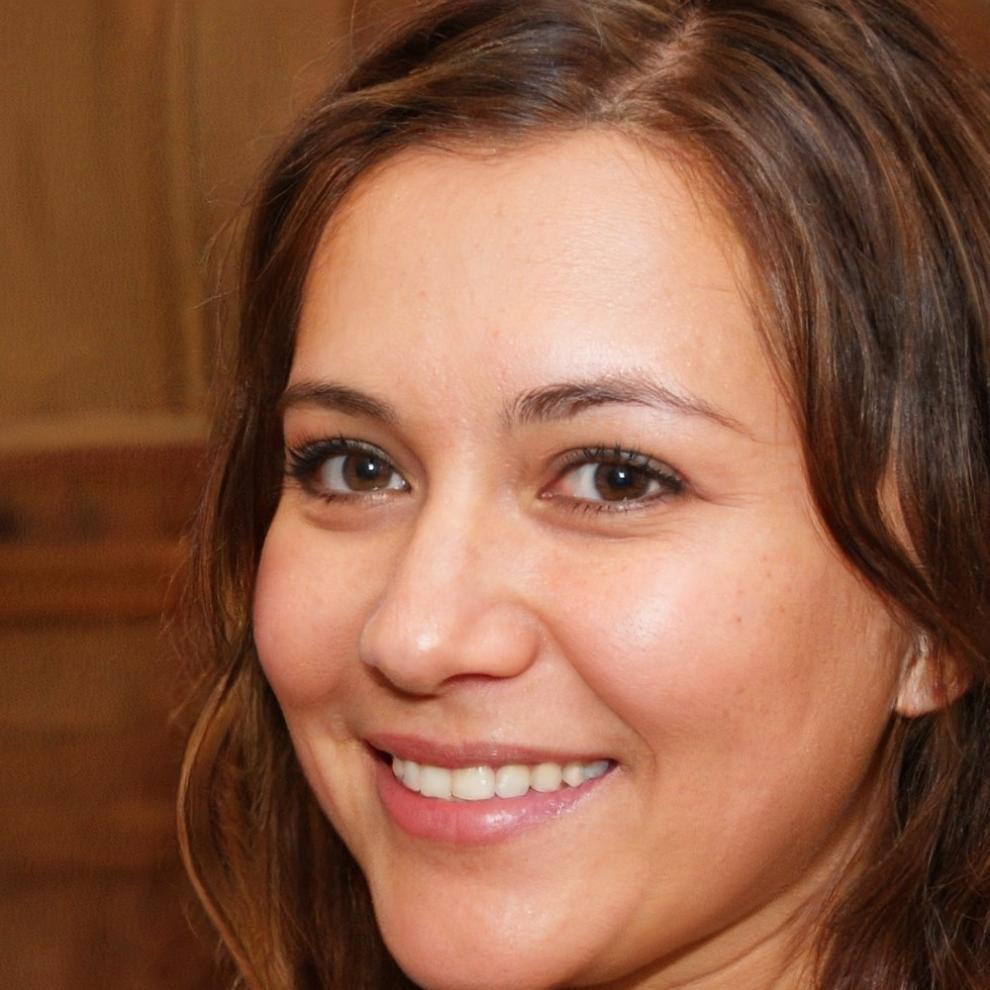
"The on-camera module changed how I think about every story, not just broadcast ones."
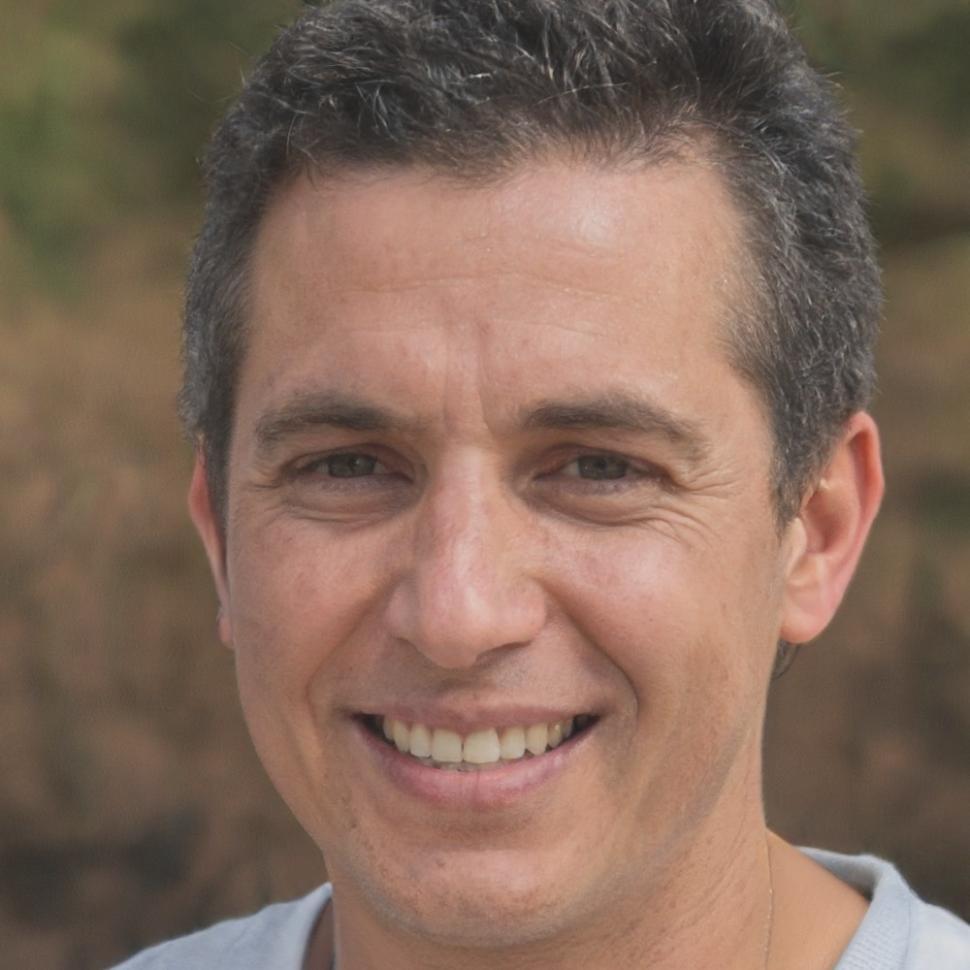
"Reading methods sections used to feel like guesswork. Now it's just part of the job."
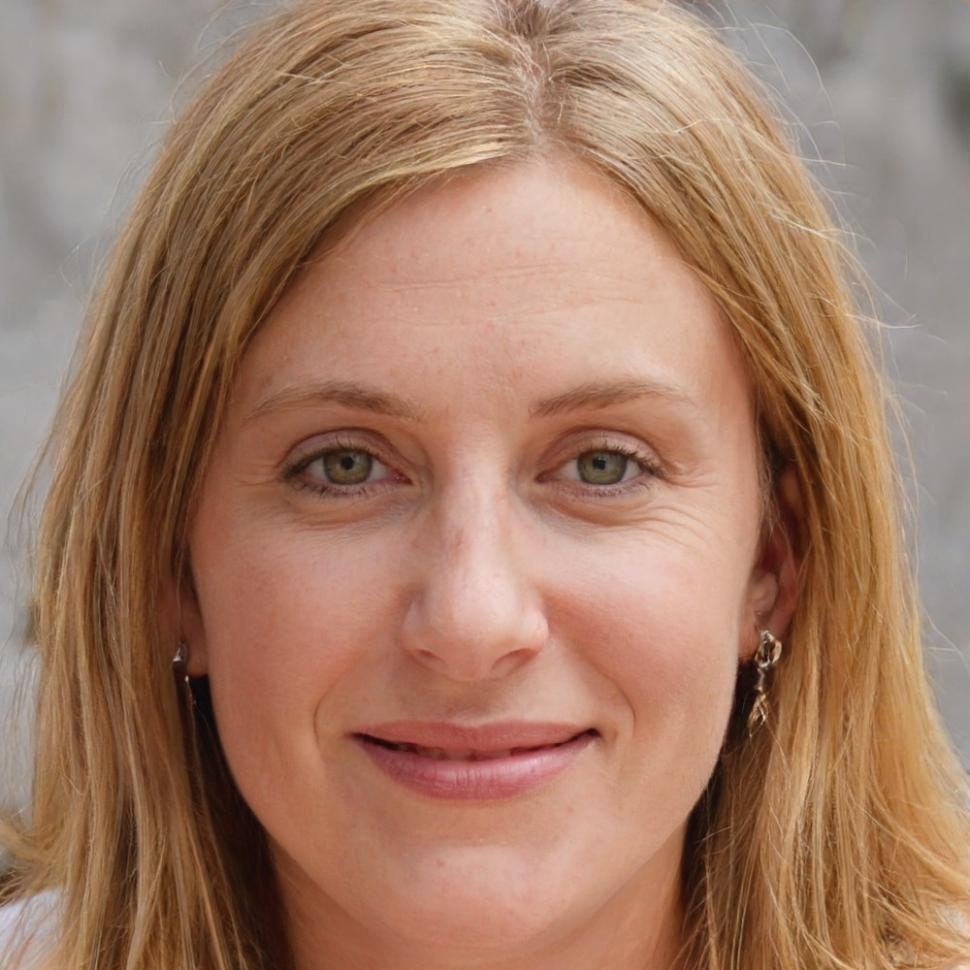
"The deadline simulation in module seven was harder than any real assignment I'd had."
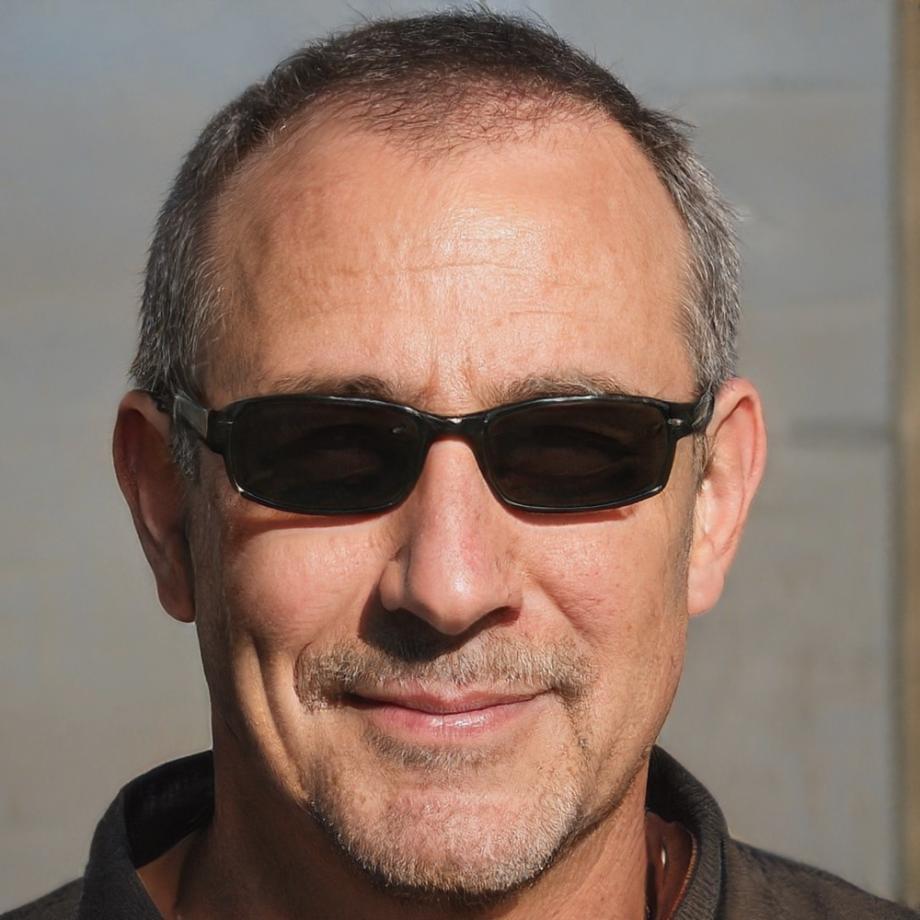
"TV presenter training here is more rigorous than anything I found in a formal degree."
Things people ask before they apply
The programme is selective but not exclusive. If you are unsure whether it fits your background, the most direct route is a short conversation with an adviser.
How the programme runs in practice
Apply and get assessed
Submit your application with a brief writing sample. An adviser reviews your background and confirms your starting point within the programme. Most responses come within three working days.
Work through structured modules
Complete each module in sequence - reading, recorded exercises, and live feedback sessions with your assigned mentor. The pace is fixed but the schedule within each week is yours to manage.
Publish and receive critique
Each module ends with a real deliverable - a written piece, a recorded segment, or a produced package - reviewed by a working journalist. The critique is specific, not generic, and references the actual work you submitted.