
Science Journalism - Online Workshops
Where scientists learn to tell the story
Treatsugarmodel is a practice-first platform for journalists, researchers, and communicators who want to move science out of the lab and onto the page, screen, or studio floor. Each workshop is built around doing, not watching.

Participant Accounts
Concrete shifts, described plainly
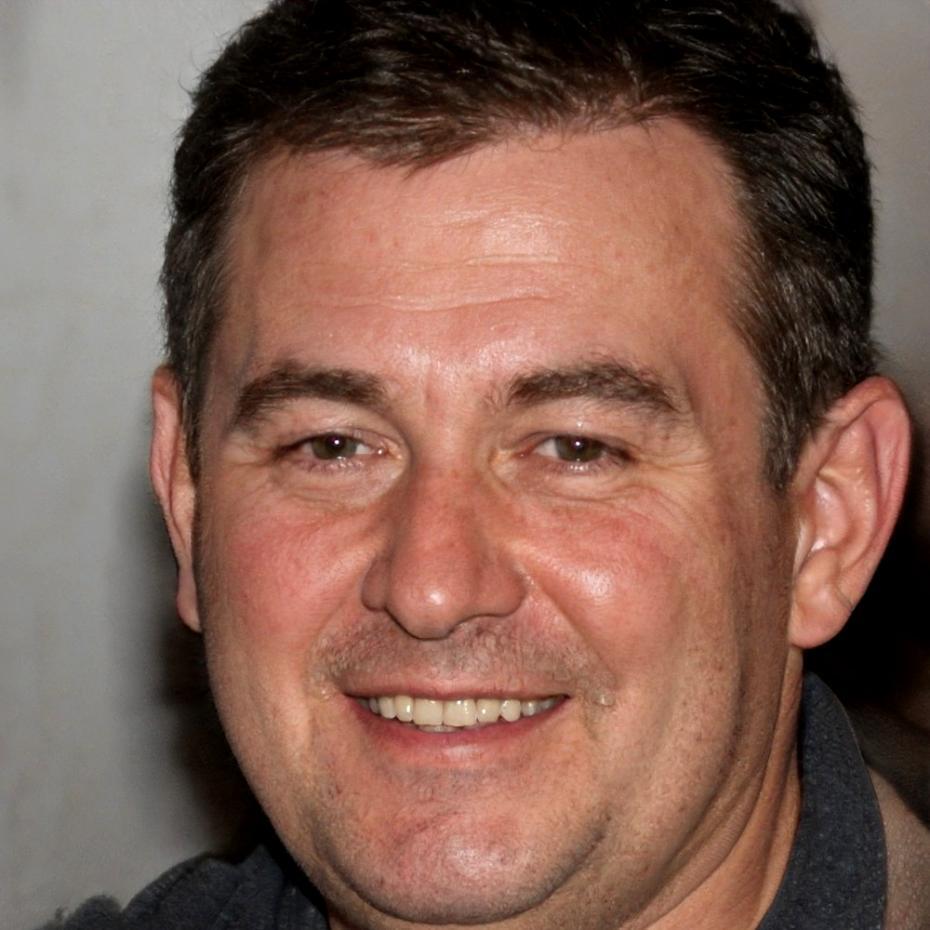
Before the TV presenter training, I could write a solid feature but the moment a camera appeared I froze. The workshop put me in front of a lens on day two - no warm-up, no theory first. By the end of the week I had recorded three usable segments. That was not expected. I still get nervous, but now I know what to do with it.
Tadeo Wrzesniewski Science Reporter, WarsawThe television presenter course covered things no journalism school ever mentioned - how to hold eye contact with a lens, how to pause without losing the audience, how to re-read a line without reshooting the whole take. I came in as a print journalist. I left with a different sense of what science communication can be.
Nkechi Adaeze Ofor Freelance Journalist, Lagos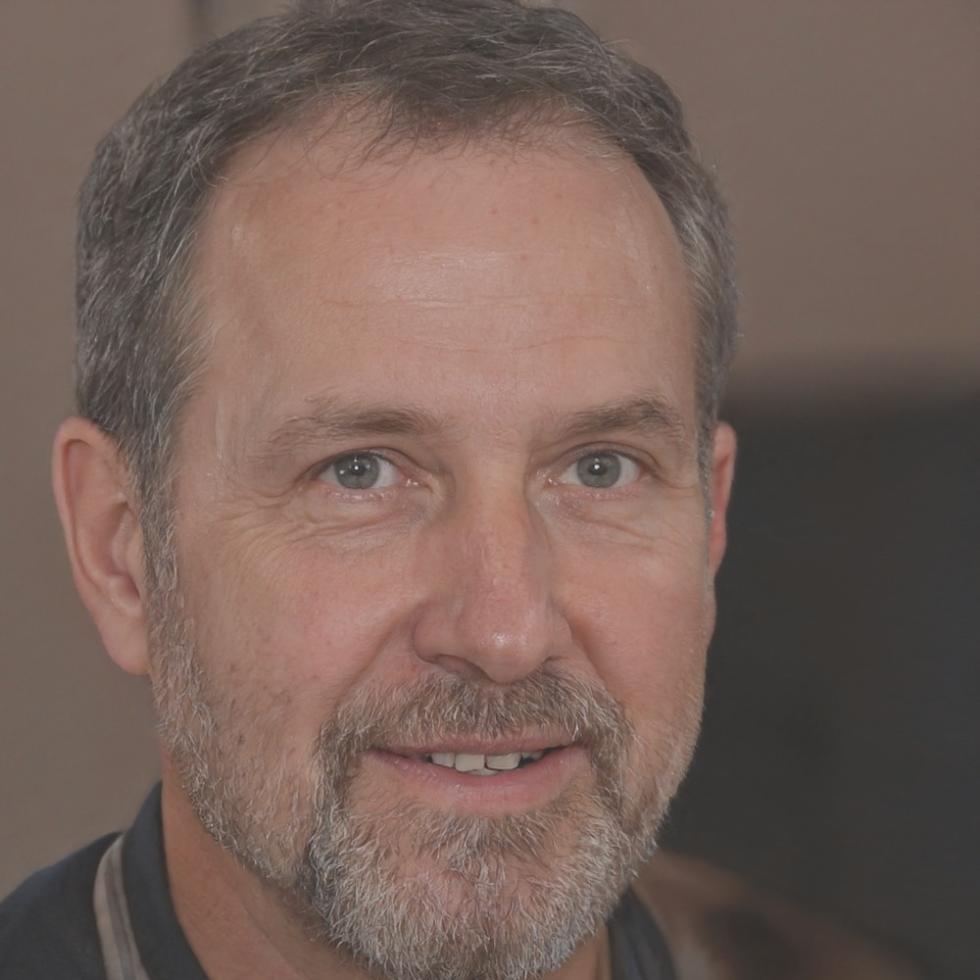
I joined to sharpen my writing. The peer review sessions were harder than I anticipated - other participants asked questions I had not thought to ask myself. That discomfort was the most useful part. My pitches are shorter and clearer now.
Ragnvald Skjelvik Research Communicator, OsloProgramme Selection
Three directions, one practical thread
Each workshop is self-contained. You can take them in any order, and each one produces something you can use immediately - a script, a recorded segment, a published draft.
Full programme details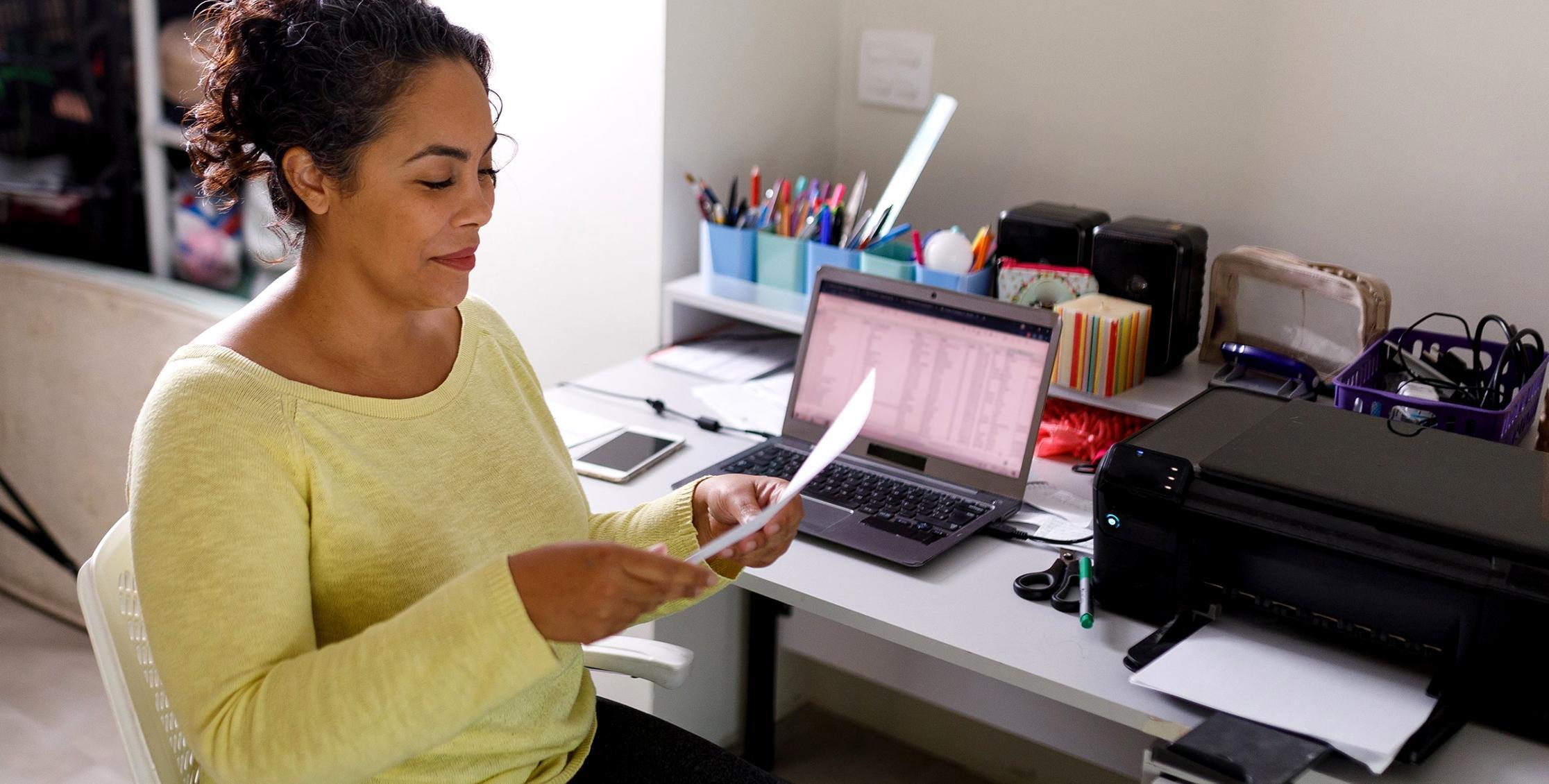
On-camera science communication
A structured television presenter course that moves from script reading to live delivery across eight sessions. Participants record, review, and re-record - the feedback loop is the method. Designed for researchers and journalists who want to communicate science on screen without losing precision.
Programme details
Science storytelling for print and digital
How to take a dense research paper and build a story a general reader will finish. Participants work on real material, not hypothetical exercises.
Programme details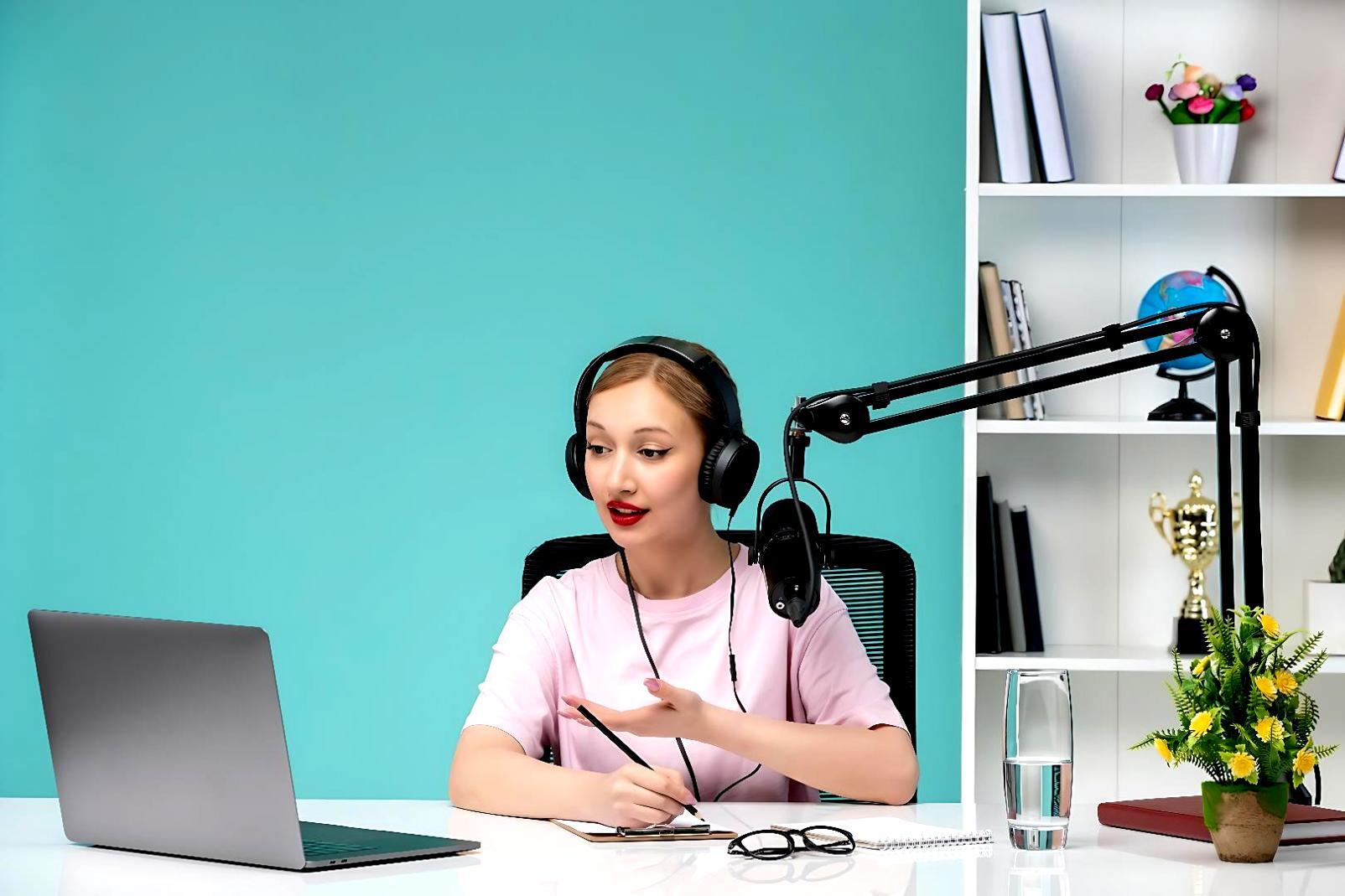
Sourcing and verifying science claims
Covers the gap between press release and published study - how to read methodology, spot overstated conclusions, and find the experts who will talk honestly.
Programme detailsWhen it gets difficult
What is in place for the hard parts
Structured feedback, not open critique
Every submission goes through a guided review framework. Reviewers - peers and facilitators - respond to specific questions, not general impressions. This keeps feedback usable rather than overwhelming.
Facilitator office hours, scheduled weekly
Each workshop has a facilitator who holds open sessions twice a week. These are not lectures - participants bring specific problems, and the group works through them together. Attendance is optional.
A peer group that stays past the workshop
Participants from the same cohort stay connected through a shared workspace after the workshop ends. Some use it actively, some check in occasionally. The option is there without obligation.
The platform does not replace the effort
Treatsugarmodel provides structure, feedback channels, and a community - but progress depends on showing up and doing the work. Most participants who complete all assignments describe the process as harder than expected and more useful than expected. That combination seems to be the point.
Workshops run on a suggested pace, not a locked schedule. If you miss a week, the materials remain accessible and facilitators can advise on a realistic catch-up path. There is no automatic removal from a cohort for falling behind. What matters is whether you can still engage meaningfully with the remaining assignments - that is worth a direct conversation with the facilitator.